Madagascar

Trips to Eastern Islands

Where the forest meets the ocean and the indri calls at dawn

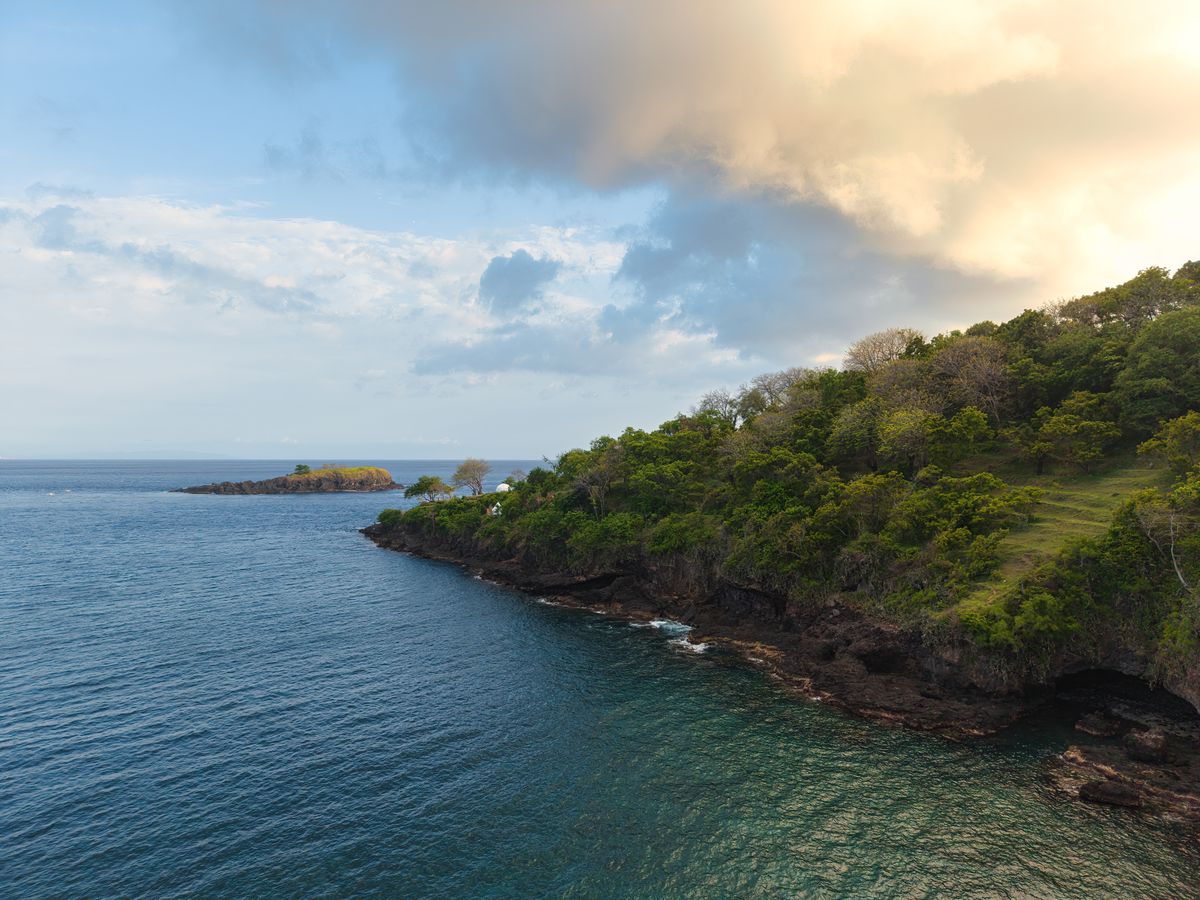
Travelling to Eastern Madagascar means stepping into one of the world's most unusual ecosystems: ancient rainforest, a coral-fringed coast and offshore islands where humpback whales surface every July.

Your Eastern Madagascar trip, built around you
Tailor-made

Your Eastern Madagascar trip, built around you

Every journey here is different — rainforest lodges, island crossings, whale season timing. Tell us what draws you and we'll put together a trip that fits your pace, your travel dates and your idea of adventure.

Request a tailor-made proposal
The call you'll hear before you see anything
Eastern Islands

The call you'll hear before you see anything

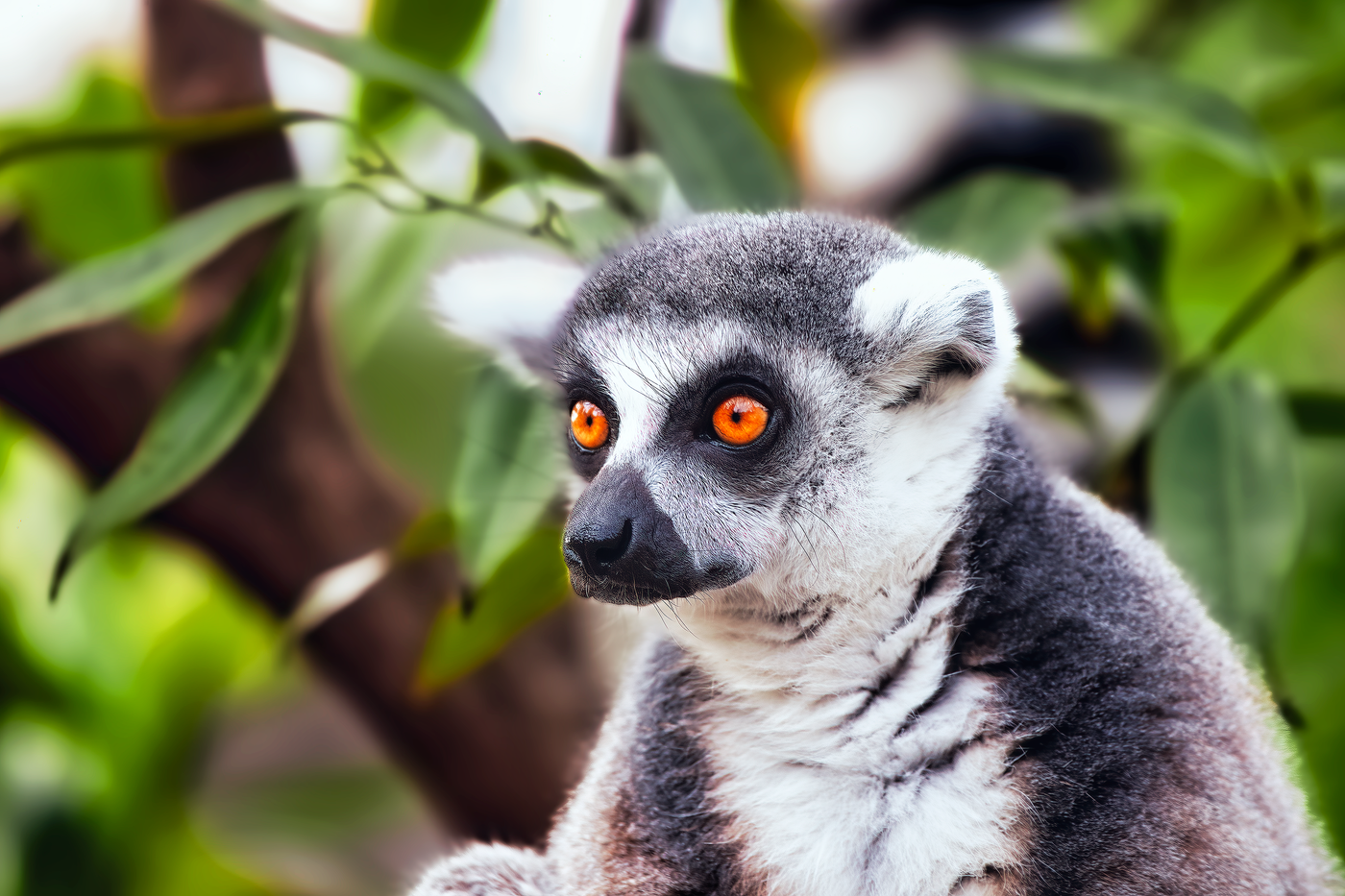
Before breakfast in Andasibe, the indri starts. It's a sound unlike any other animal — a low, resonant wail that carries across the canopy for kilometres. The largest living lemur species exists only in the eastern forests of Madagascar, and hearing it in the fog before you've spotted a single animal is its own kind of arrival.

A bay full of humpbacks in July

A bay full of humpbacks in July

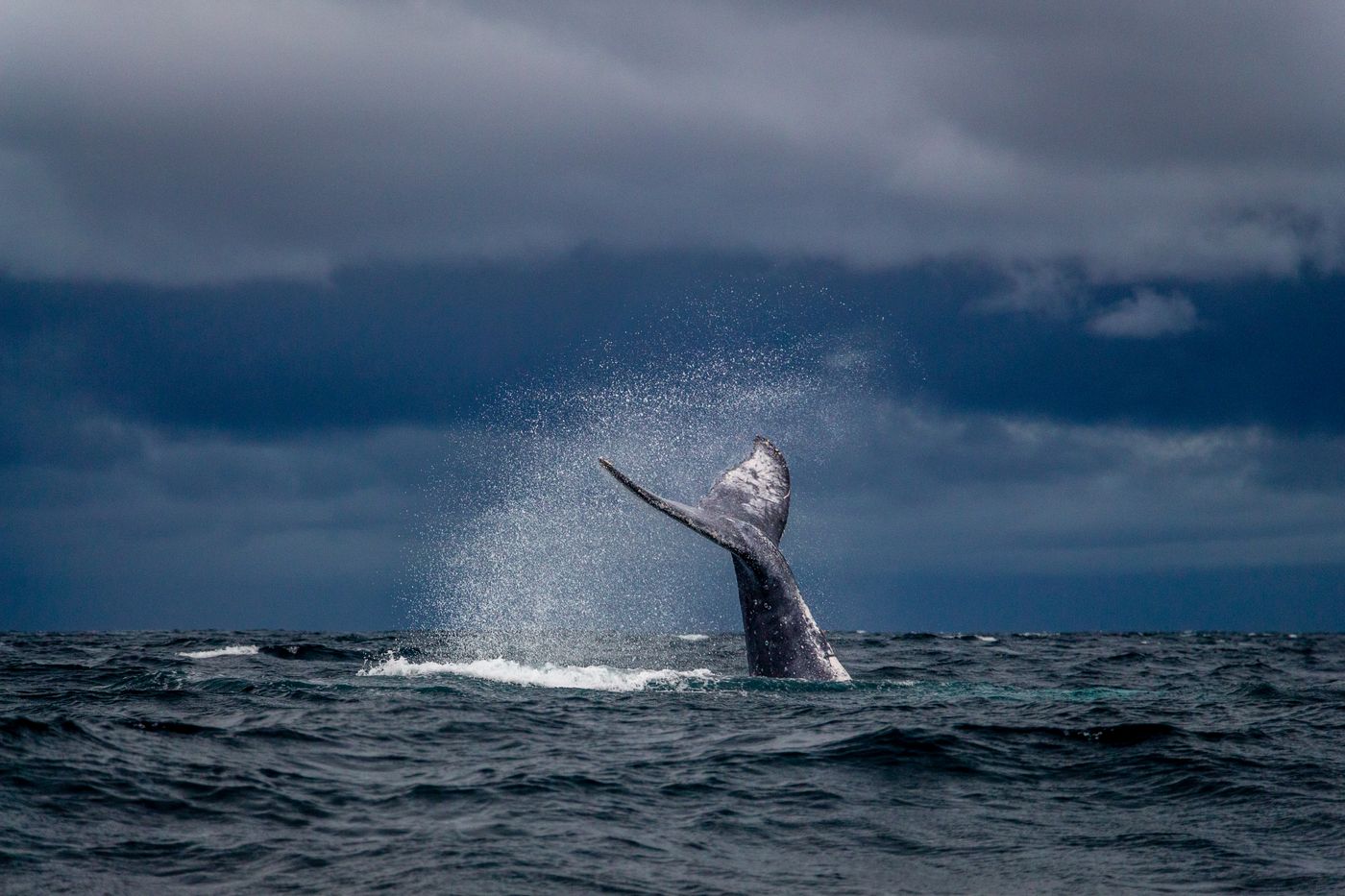
Off the coast of Île Sainte-Marie, humpback whales arrive each austral winter to breed and calve. From a small boat, watching a 40-tonne animal breach against a backdrop of coconut palms is one of those moments that's very hard to explain to anyone who wasn't there.

Night walks on five square kilometres of forest

Night walks on five square kilometres of forest

Nosy Mangabe barely registers on a map — a small reserve in Antongil Bay — but after dark, a guided walk reveals the aye-aye: a nocturnal primate that looks like it was assembled from spare parts and fills the ecological role of a woodpecker. Five square kilometres, densely forested, with more wildlife per hectare than almost anywhere on the east coast.

Tailored travel that takes the east coast seriously

Eastern Madagascar rewards preparation — timing, access and logistics make the difference between a good trip and a great one.

  1. 01

    Trips designed around you

    We organise tailor-made journeys: your dates, your interests, your pace — rainforest, islands or a combination, without a fixed group schedule.

  2. 02

    Group trips with like-minded travellers

    Our small-group departures bring together travellers with the same curiosity for wildlife and remote landscapes, sharing the logistics without losing the experience.

We plan your trip to Eastern Islands

We help you choose how, when and for how long.

Request my proposal
Guide

What to see in Eastern Madagascar

The eastern side of Madagascar is not one place — it spans highland forest, a long coastal strip, navigable waterways and a string of offshore islands. Here are the areas worth planning your time around.

Andasibe-Mantadia
01

Andasibe-Mantadia

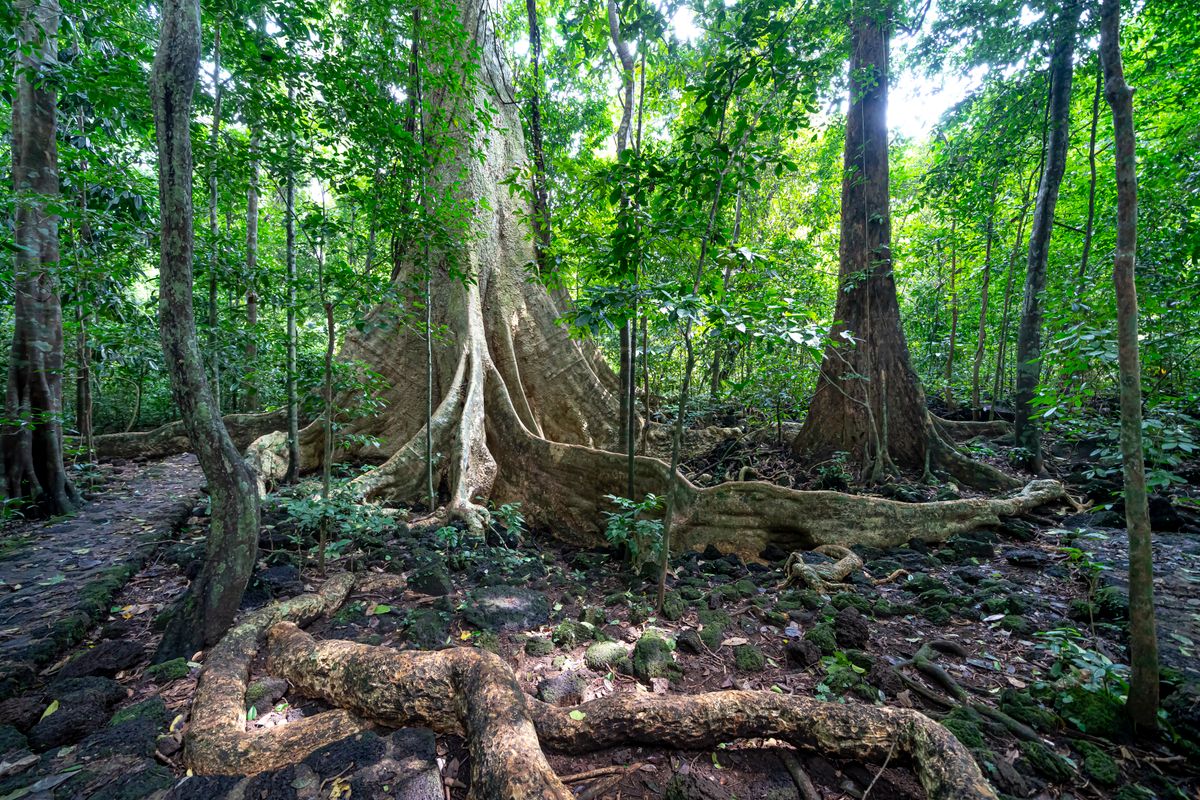
About 160 km east of the capital — a four-hour drive via the National Road 2 — Andasibe-Mantadia (also called Périnet) is the most visited park on the east side, and with good reason. This is where you come to see and hear the indri, encounter endemic orchids (at their best between September and November) and look for the Madagascar serpent-eagle and brown mesite among the trees.

It works well as a first stop after landing in Antananarivo, especially for travellers short on time. The roads are manageable, the lodges are comfortable, and the wildlife encounters are reliable rather than guaranteed.
Île Sainte-Marie
02

Île Sainte-Marie

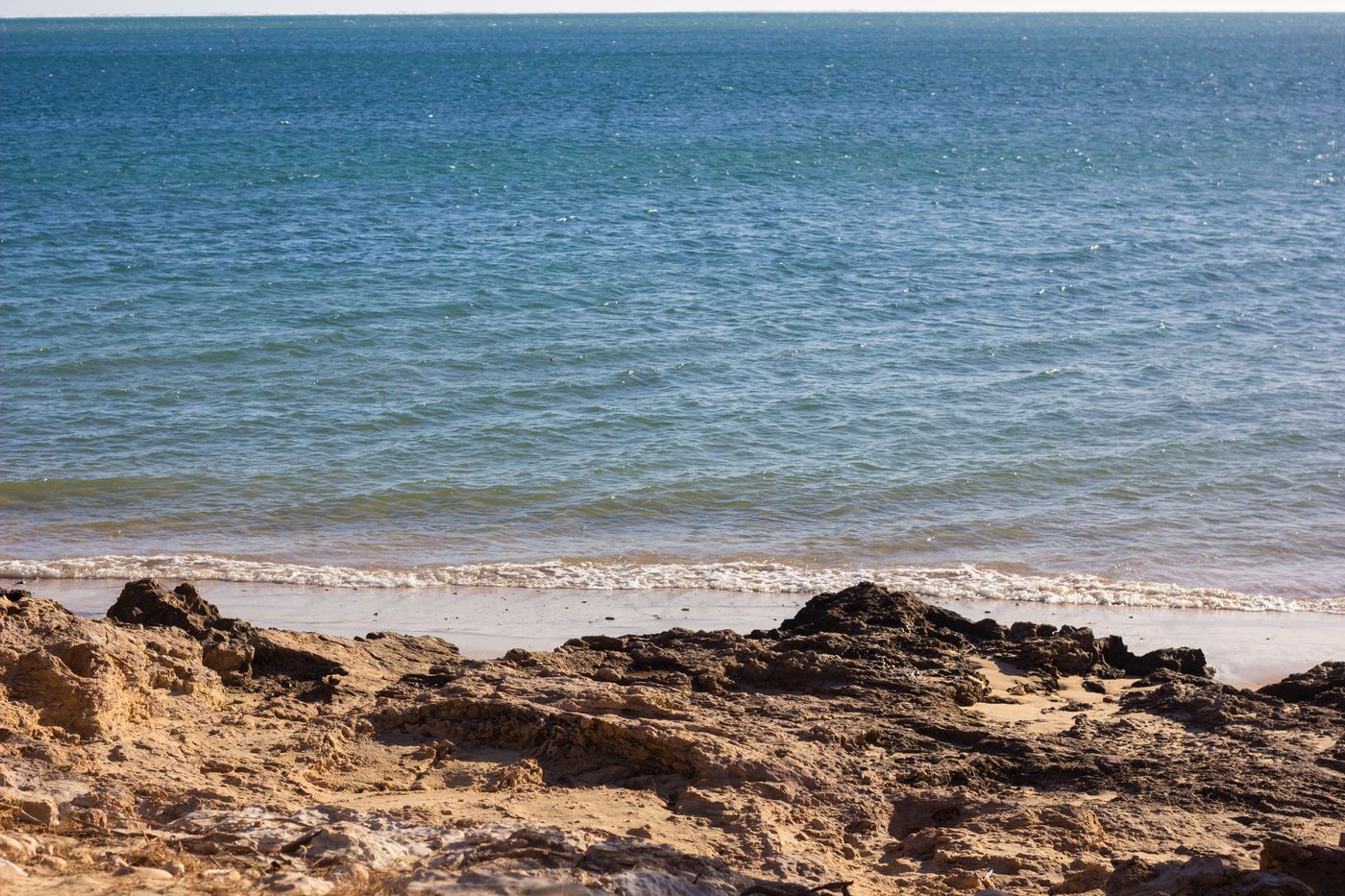
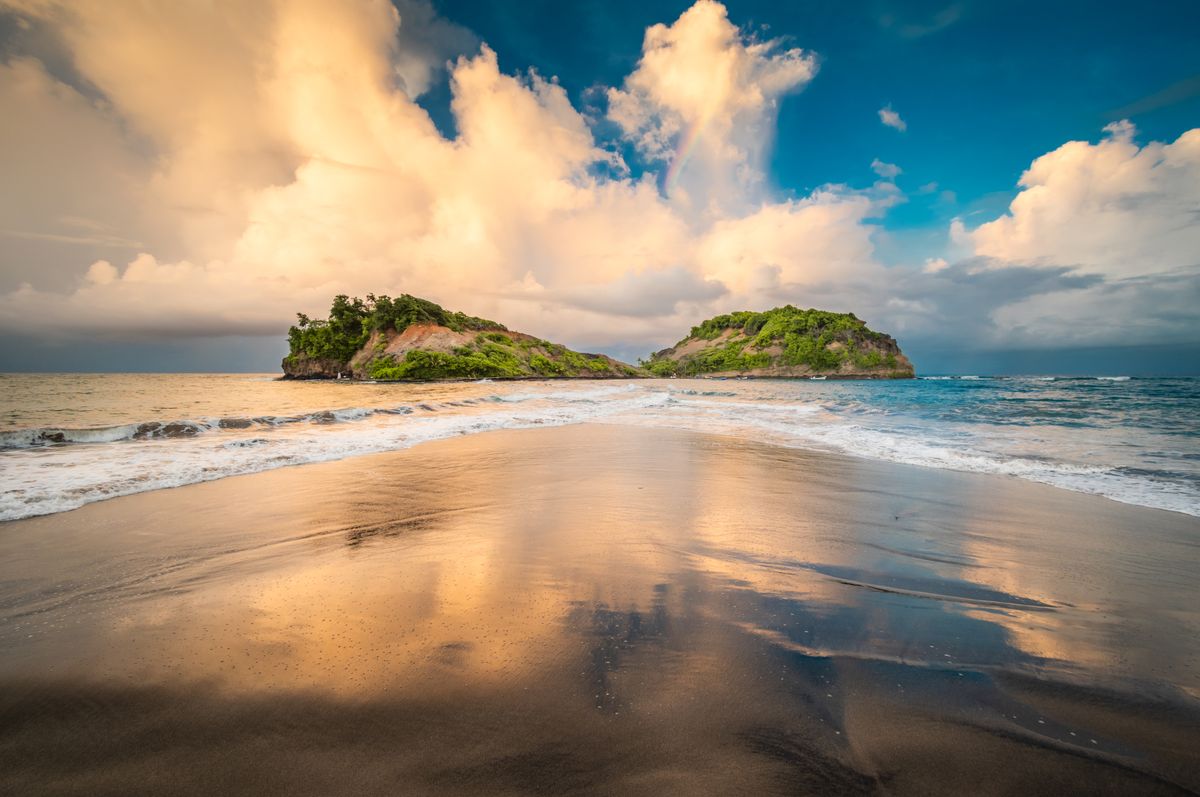
Fifty to sixty kilometres long and barely a few wide, Île Sainte-Marie (Nosy Boraha) sits eight kilometres off the east coast, with small hotels along the sheltered western shore rather than any resort development. It carries a strong French cultural influence — it was the first place in Madagascar claimed by France — and remains popular with visitors who want a beach stay with real character rather than a manicured one.

Just south, Île aux Nattes offers an even quieter crossing and some of the region's emptier beaches. Neither island has a car ferry; you arrive by small plane or speedboat, which sets the tone immediately.

Masoala Peninsula
03

Masoala Peninsula

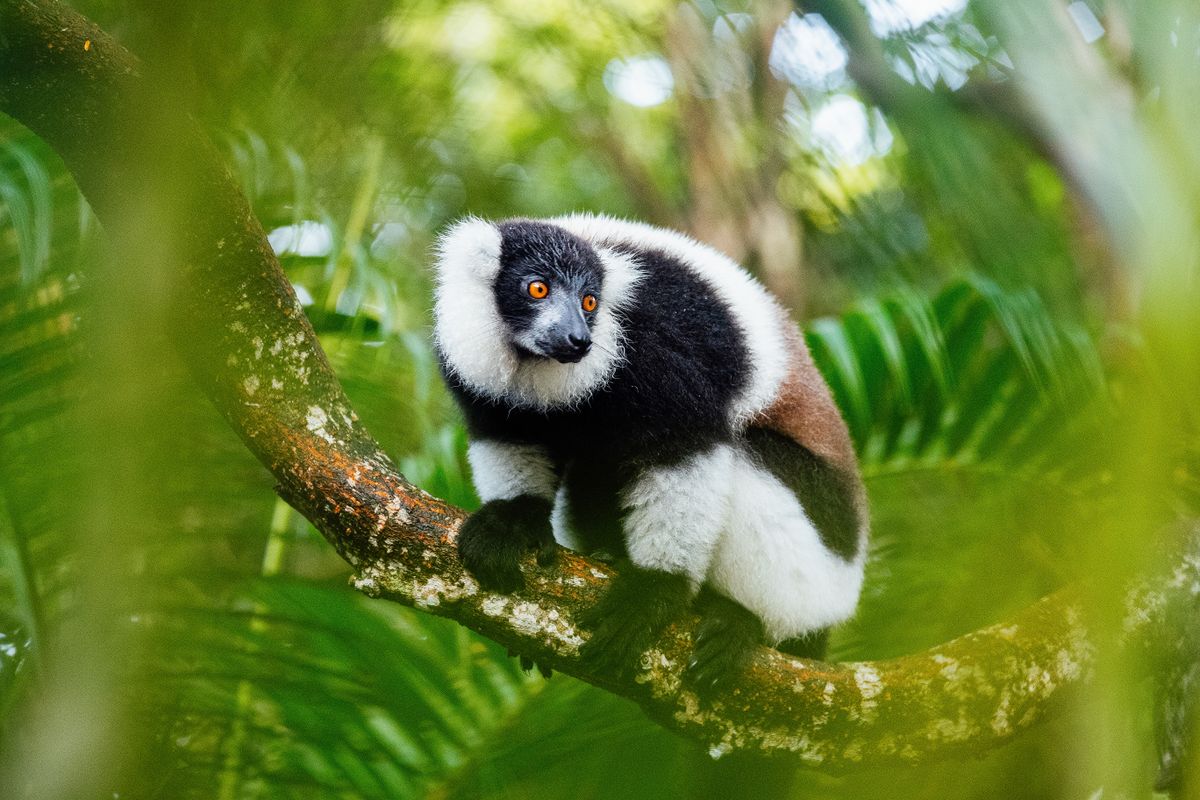
Madagascar's largest protected area — over 2,300 km² — Masoala is the wettest corner of the country, receiving more than 200 inches of rain per year. The peninsula shelters the Red-Ruffed Lemur, rare endemic birds like the Helmet Vanga and the Scaly Ground-Roller, and trails that are steep and genuinely muddy after rain. Activities range from forest walks and river trips by pirogue to snorkelling and sea kayaking along the coast.

Access by road is not practical; Masoala is most conveniently reached by charter flight or boat. Plan it only if you're physically fit and prepared for the conditions — it rewards exactly that kind of effort.

Canal des Pangalanes
04

Canal des Pangalanes

Running parallel to the east coast, the Pangalanes Canal is a chain of lakes and waterways linked by French colonial engineers to serve as the coastal highway of eastern Madagascar. Today it's a slow, rewarding way to move through the region by motorboat, stopping at lake resorts and small communities along the way.

Akanin'ny Nofy ('Nest of Dreams') on Lake Ampitabe is a particularly secluded stop, reachable by motorboat from Manambato. The Palmarium Reserve on the same lake is one of the more accessible places to observe lemurs — including the aye-aye — and endemic frogs in a rainforest setting without a long expedition.

Nosy Mangabe & the Maroantsetra Coast
05

Nosy Mangabe & the Maroantsetra Coast

In Antongil Bay, opposite the town of Maroantsetra, Nosy Mangabe covers barely five square kilometres of dense forest designated as a special reserve. Night walks here are the most reliable way to spot the aye-aye in Madagascar — a nocturnal animal that spends the day well hidden and rewards patience after dark.

The area around Maroantsetra also serves as the gateway to the northern end of Masoala, making it a natural base for combining the two.

Toamasina (Tamatave)
06

Toamasina (Tamatave)

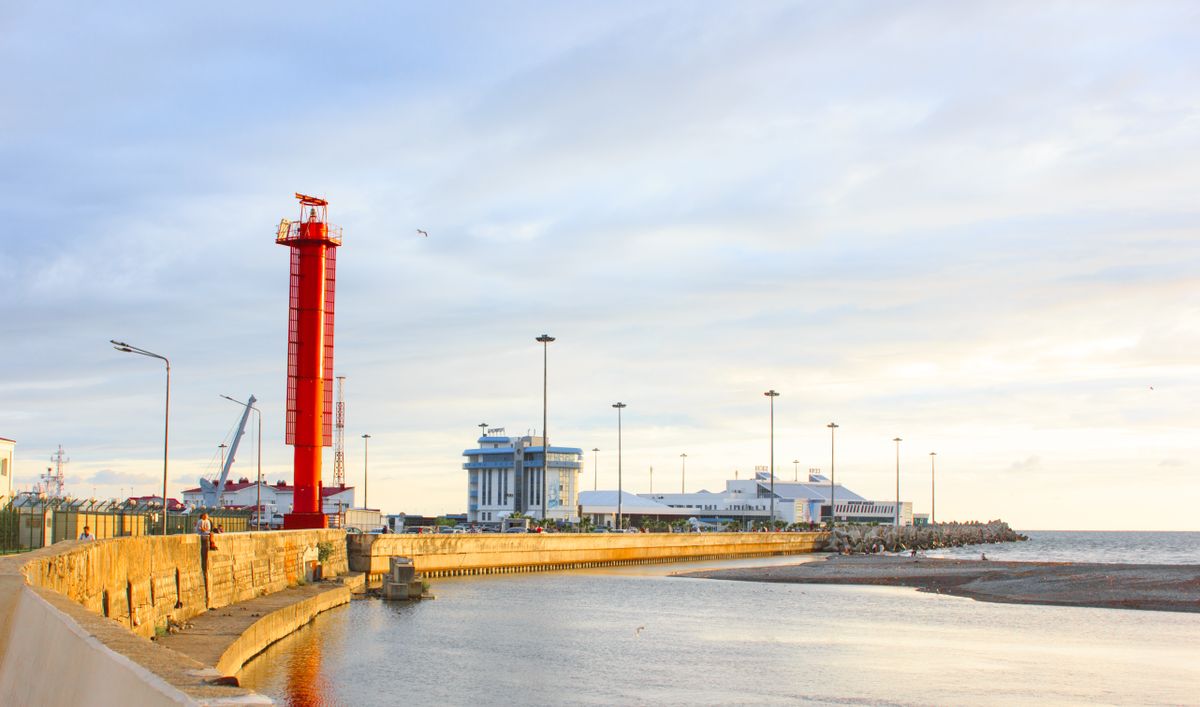
Madagascar's largest port city and the main hub for the east coast, Toamasina is where many eastern journeys pass through. It has a colourful seafront market, rickshaws known locally as pousse-pousse and a promenade that faces the Indian Ocean. It's not the reason to come to eastern Madagascar, but it's a useful orientation point — and Vohibola Forest nearby is one of the last fragments of the country's rare coastal littoral forest.

When to travel to Eastern Madagascar

The east coast is the humid side of Madagascar year-round, so timing matters more here than anywhere else in the country.

June
The east begins to settle as the rains ease. A useful shoulder month — whale watching starts, the forest is green, and prices and crowds are lower than peak season.
July to September
The most reliable weather window and the peak of humpback whale season at Île Sainte-Marie. July and August are the prime months; September sees some whales and increasingly clear skies.
October to December
Orchids bloom across the eastern forests from September through November. October can still bring whale sightings. December marks the start of the wetter, more unpredictable season.
January to May
Cyclone season affects the east coast, bringing heavy rain and sometimes strong storms. Travel is possible but conditions are changeable — less suitable for island trips or Masoala expeditions.
Before you travel to Eastern Madagascar

Before you travel to Eastern Madagascar

Visa & entry
UK and US travellers need a visa. Check current requirements before booking — options include on arrival and e-visa.
Language
Malagasy and French are official. English is spoken in tourist areas but not widely elsewhere — basic French helps.
Money
Currency: Malagasy Ariary (MGA). Visa fees payable in USD, EUR or MGA. Cards accepted in larger hotels; carry cash for islands and rural areas.
Time zone
UTC+3 (Indian Ocean Standard Time). No daylight saving. 3h ahead of UK in winter; same as East Africa.
Electricity
Type C and E plugs, 220V. Bring a universal adaptor. Power cuts can occur; remote lodges may use generators.
Health
Malaria prophylaxis recommended for the east coast. Check with your GP or travel clinic for current vaccine and medication advice before travel.
Getting there
No direct flights from UK or US. Connections via Istanbul, Addis Ababa, Nairobi or Paris into Antananarivo (TNR). From there, fly or drive east.
Getting around
Île Sainte-Marie: speedboat or small plane — no car ferry. Masoala: charter flight or boat only. Pangalanes: by motorboat.

Questions about travelling to Eastern Madagascar

Do UK and US citizens need a visa for Madagascar?
Both UK and US travellers need a visa. Entry requirements are subject to change, so always check the current rules before booking. Your passport must be valid for at least six months beyond your arrival date and have at least two blank pages. We can point you to the latest guidance when you start planning your trip.
Are there direct flights from the UK or USA to Madagascar?
There are no direct flights from either market. UK travellers most commonly connect through Istanbul (Turkish Airlines), Addis Ababa (Ethiopian Airlines) or Nairobi (Kenya Airways), landing at Antananarivo. US travellers typically route via Europe or, from the West Coast, through Bangkok. Total journey time from the UK is typically around 15 hours including the stopover.
How many days should I spend in Eastern Madagascar?
A focused east-coast trip works in 10–14 days: a couple of days at Andasibe, a night on the Pangalanes Canal, a few days on Île Sainte-Marie and — if the season and your fitness allow — time in Masoala. Rushing the east produces short visits to long drives; the region rewards slower travel.
What's the best time of year to visit?
June through December offers the most stable conditions on the east coast. July to September is peak whale season at Île Sainte-Marie. September to November is ideal for orchids in the forest. Avoid January to April if you can — cyclone season brings heavy rain and disrupted travel, especially on the islands.
When do humpback whales arrive at Île Sainte-Marie?
Humpbacks are most reliably seen July through September, when they arrive to breed and calve in the sheltered bay. Sightings are possible as early as June and can continue into October, though the peak of activity is the July–September window.
How do I get to Île Sainte-Marie from the mainland?
You can fly three times a week from Toamasina, or take a bus to Soanierana Ivongo and cross by daily speedboat ferry — a journey of roughly two hours. There is no car ferry; vehicles stay on the mainland. Most visitors find the flight more practical, especially coming from Antananarivo.
Is Masoala only accessible by charter?
In practice, yes. The roads to Masoala are not a realistic option for most visitors. A charter flight to Maroantsetra, followed by a boat to the park, is the standard approach. It adds cost but is the only way to reach one of the most biodiverse places on the east coast without losing several days to road travel.
How physically demanding is Eastern Madagascar?
It depends where you go. Andasibe and the Pangalanes Canal are accessible for most fitness levels. Masoala involves steep, muddy trails and requires reasonable fitness. Nosy Mangabe involves walking on uneven forest paths at night. We can help you match the itinerary to your level.

Start planning your Eastern Madagascar trip

Send us a message on WhatsApp and tell us what draws you to the east coast — wildlife, whales, islands or all three.

Step 1 of 4
When and for how long?
Length
Made withsiteway.travel